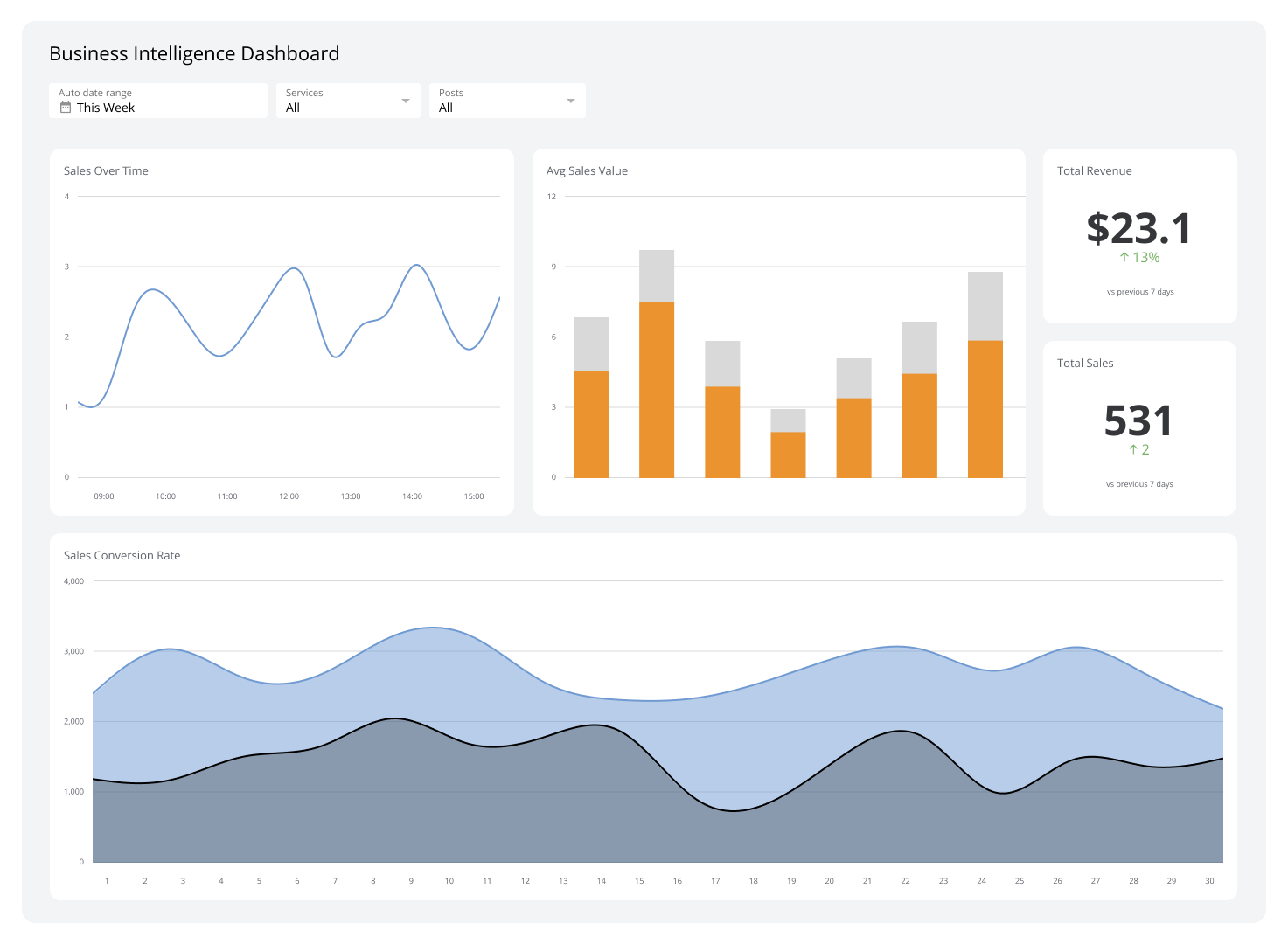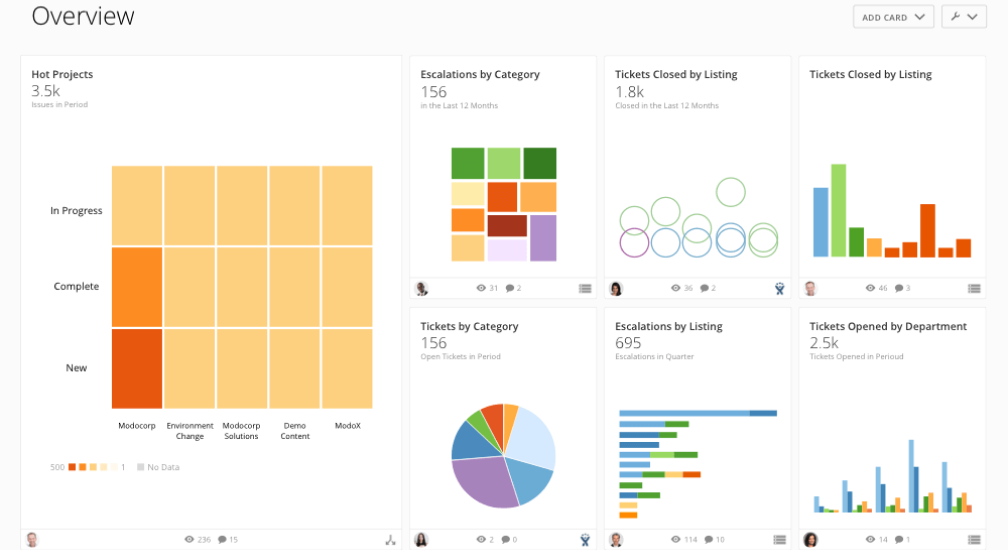
A practical guide for executives on using dashboards and analytics to make better business decisions.
Leadership dashboards are not just pretty visualizations of data. They are decision-making tools. But most companies get them wrong. The Problem: Too Much Data, Too Little Insight. Modern leaders have access to more data than ever before. But this does not mean better decisions. In fact, research shows that leaders with access to too much data make worse decisions. They get lost in details and lose sight of the strategic picture. Therefore, the first principle of a good leadership dashboard is: simplicity. Principle 1: One Dashboard = One Question. Instead of having one dashboard with 50 metrics, it is better to have 5 dashboards, each answering one key question: Dashboard 1: How is the business performing this month? Dashboard 2: Where do we have quality problems? Dashboard 3: How does our competition look? Dashboard 4: How is our team developing? Dashboard 5: What risks threaten us? Each dashboard has one purpose. This means the leader can quickly understand the situation. Principle 2: Metrics, Not Data. Leaders do not want to see a million rows of data. They want to see metrics. Not sales by product by region by day, but total sales this month compared to last month. But there is a subtlety. The metric must be truly relevant to the decision the leader must make. For example, if you are a CEO, you do not need the metric number of customers who bought product A in region B on Tuesday. You need the metric Are we achieving our target ROI? Principle 3: Context is More Important Than Numbers. The number 1 million sounds good. But is it good or bad? It depends on context. A good dashboard always shows context: Comparison with the previous period. Comparison with the target metric. Comparison with competitors (if possible). Trend over the last 12 months. Without context, a number is just a number. With context, it is a signal to action. Principle 4: Action, Not Observation. The biggest mistake in dashboard design is forgetting that a dashboard should lead to action. If a leader looks at a dashboard and does nothing, then the dashboard does not work. A good dashboard should: 1. Show the problem. 2. Give context for understanding the problem. 3. Suggest possible actions. For example, if a dashboard shows that sales fell by 20%, the leader should understand: Why did this happen? (context). What can he do? (possible actions). Who should he involve? (responsible people). Practical Recommendations: If you are a leader and want to implement dashboards in your company: 1. Start with one dashboard. Do not try to do everything at once. Choose the most important question and build a dashboard for it. 2. Involve your team. Do not let analysts build the dashboard alone. They must understand what decisions you make. 3. Set regular reviews. Look at the dashboard every week. What changed? What does it mean? What do you need to do? 4. Iterate. A dashboard is not something you build once. It is a living tool that should evolve with your business. 5. Train your team. Not everyone understands how to read dashboards. Spend time on training. Conclusion: Dashboards changed how leaders make decisions. But this does not automatically mean better decisions. It all depends on how you design and use dashboards. Simplicity, relevance, context, and action—these are the four pillars of a good leader dashboard. If you do this, you will gain competitive advantage.
Key Takeaway
"The architecture of the future is built not on static reports, but on dynamic, self-healing data streams that empower every level of the organization."